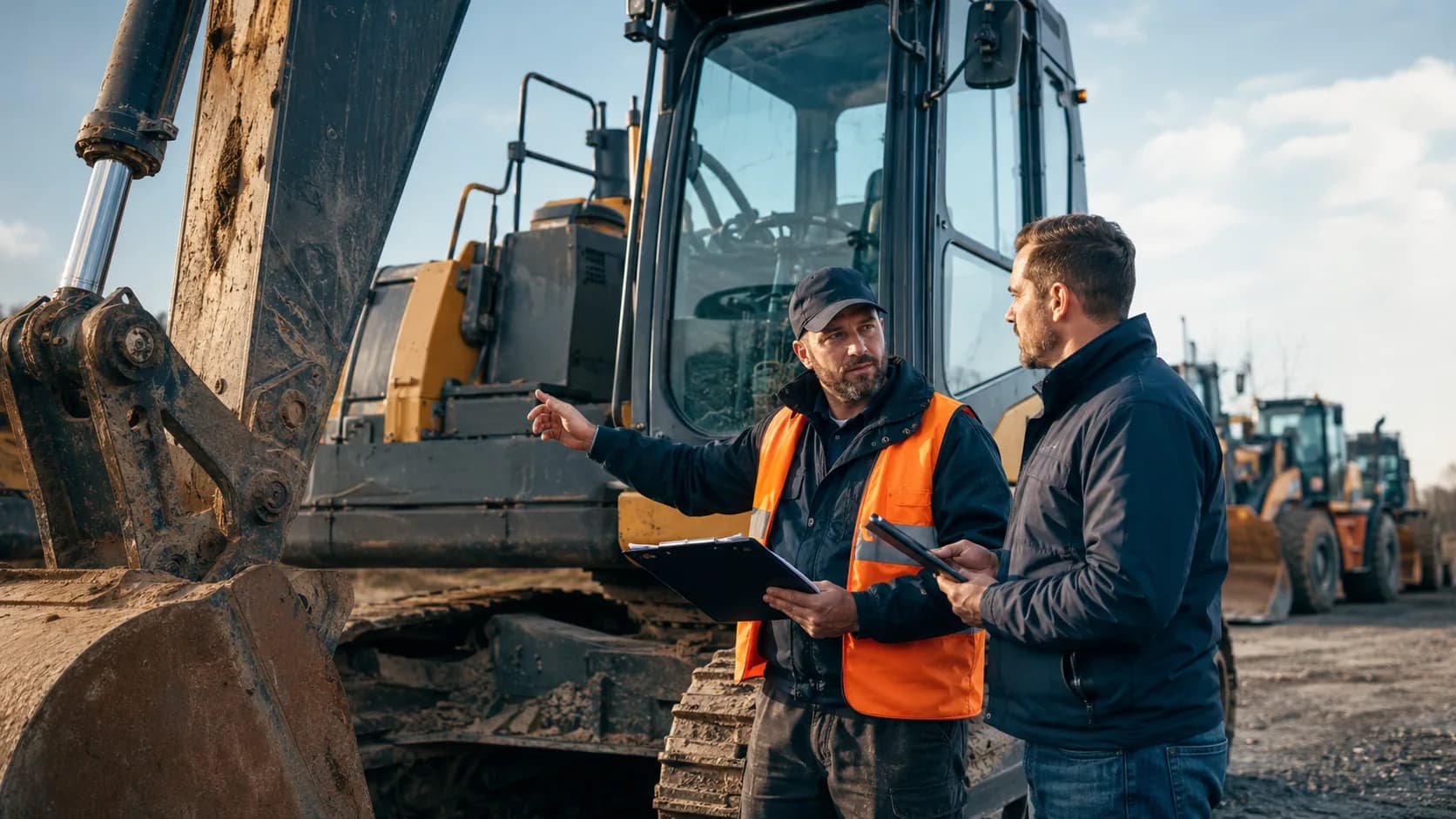
Featured guide
How to Buy Used Heavy Equipment Without Killing the Deal
A practical checklist for reviewing hours, service history, photos, seller details, financing, transport, and price before you commit to the deal.
Read the guidePractical guides for serious equipment buyers and sellers — what to inspect, how to compare machines, how financing changes a deal, and when a machine is worth the asking price.
Each guide pushes you toward one useful next action: inspect, compare, finance, ship, sell, or request help.
Compare machines, ask better questions, and avoid expensive surprises.
Explore →Hours, undercarriage, hydraulics, records, photos, and red flags.
Explore →Understand payments, terms, down payments, and approval factors.
Explore →Price better, show records, and attract buyers who can actually close.
Explore →A practical pillar guide — what serious buyers check before they commit.
A practical checklist for reviewing hours, service history, photos, seller details, financing, transport, and price before you commit to the deal.
Read the guide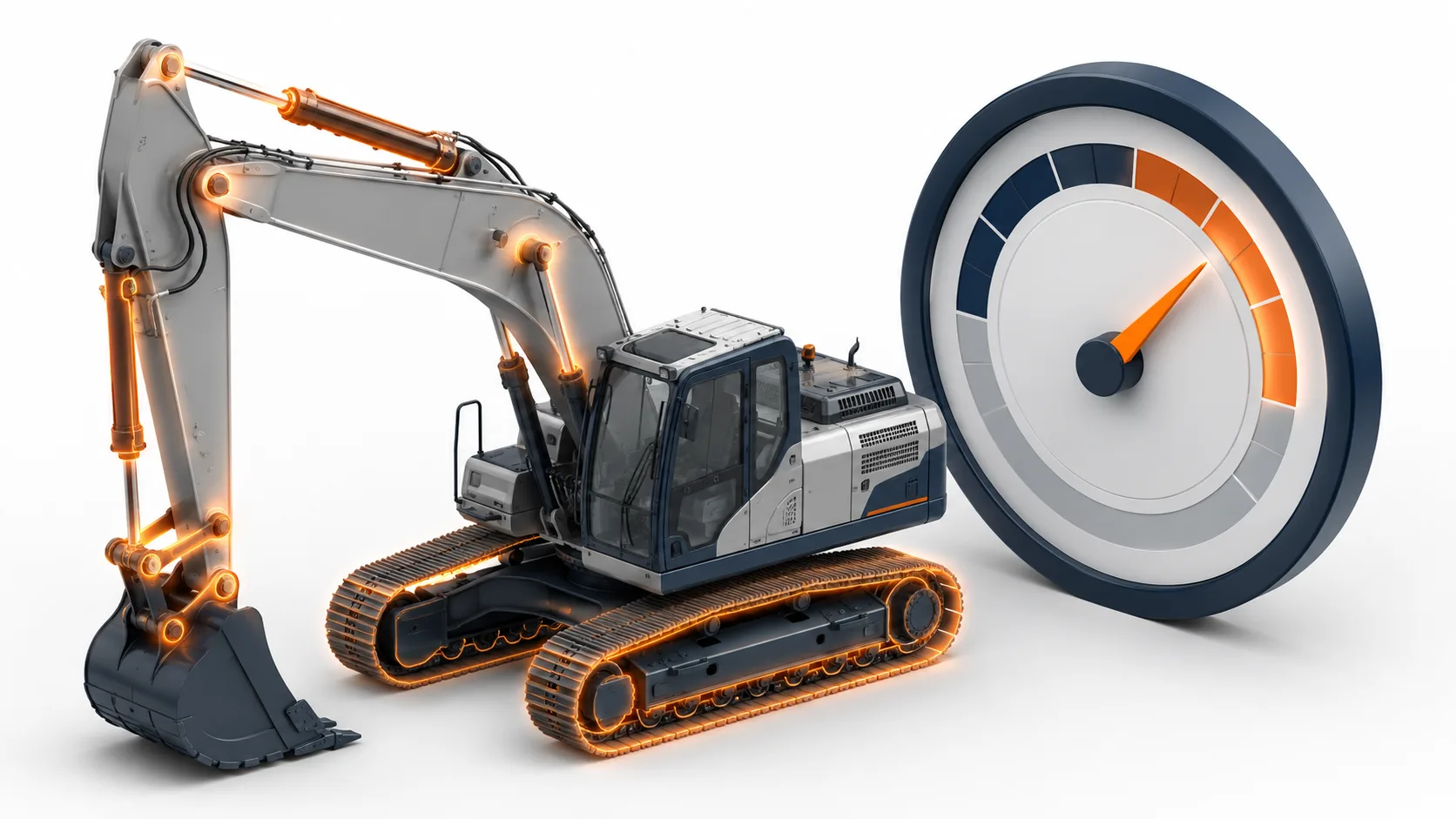 Inspection
What hours mean, what records change, and why condition matters more than the meter alone.
 Buying
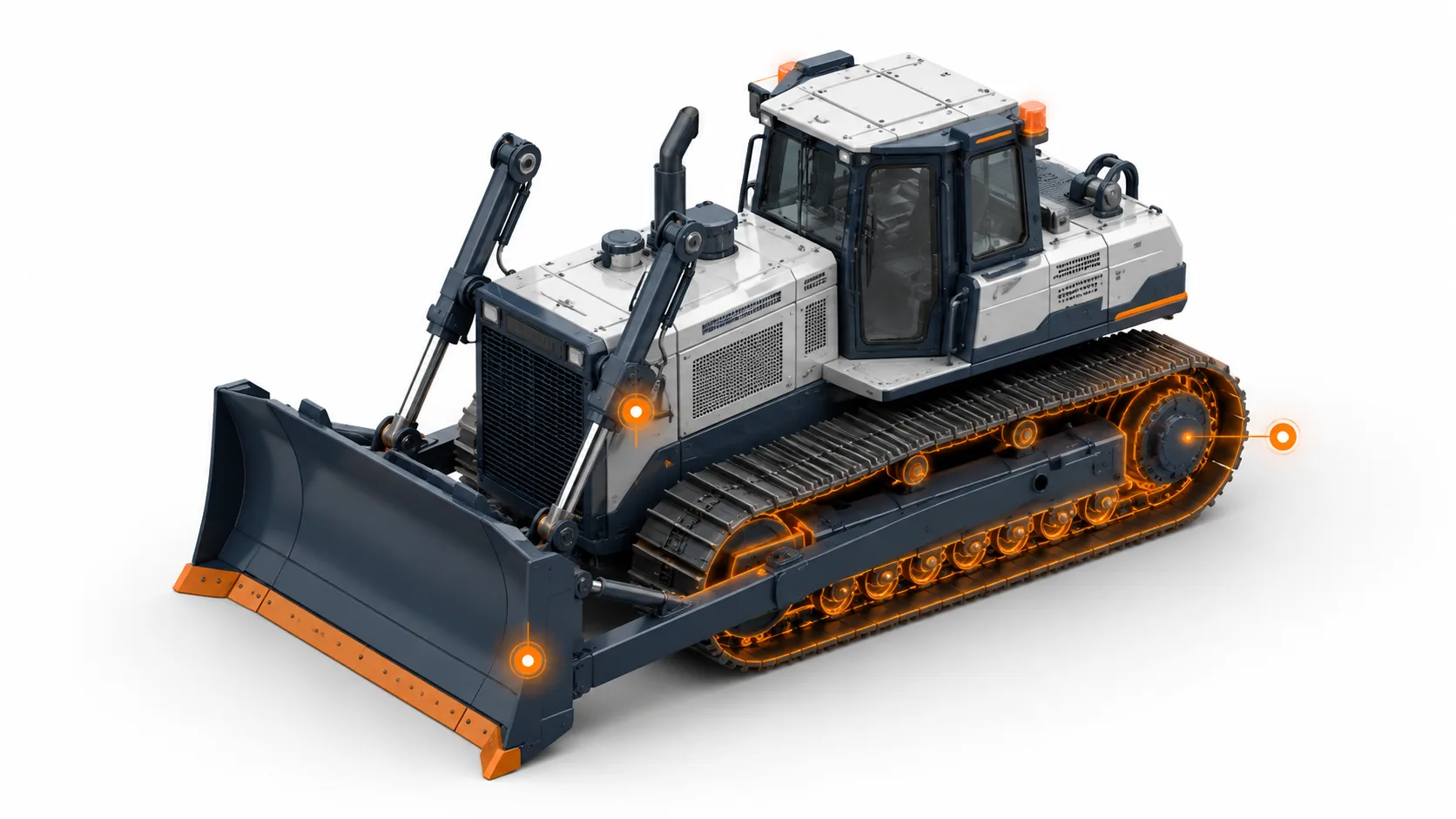
Undercarriage, blade, hydraulics, transmission, final drives, and job history.
 Financing
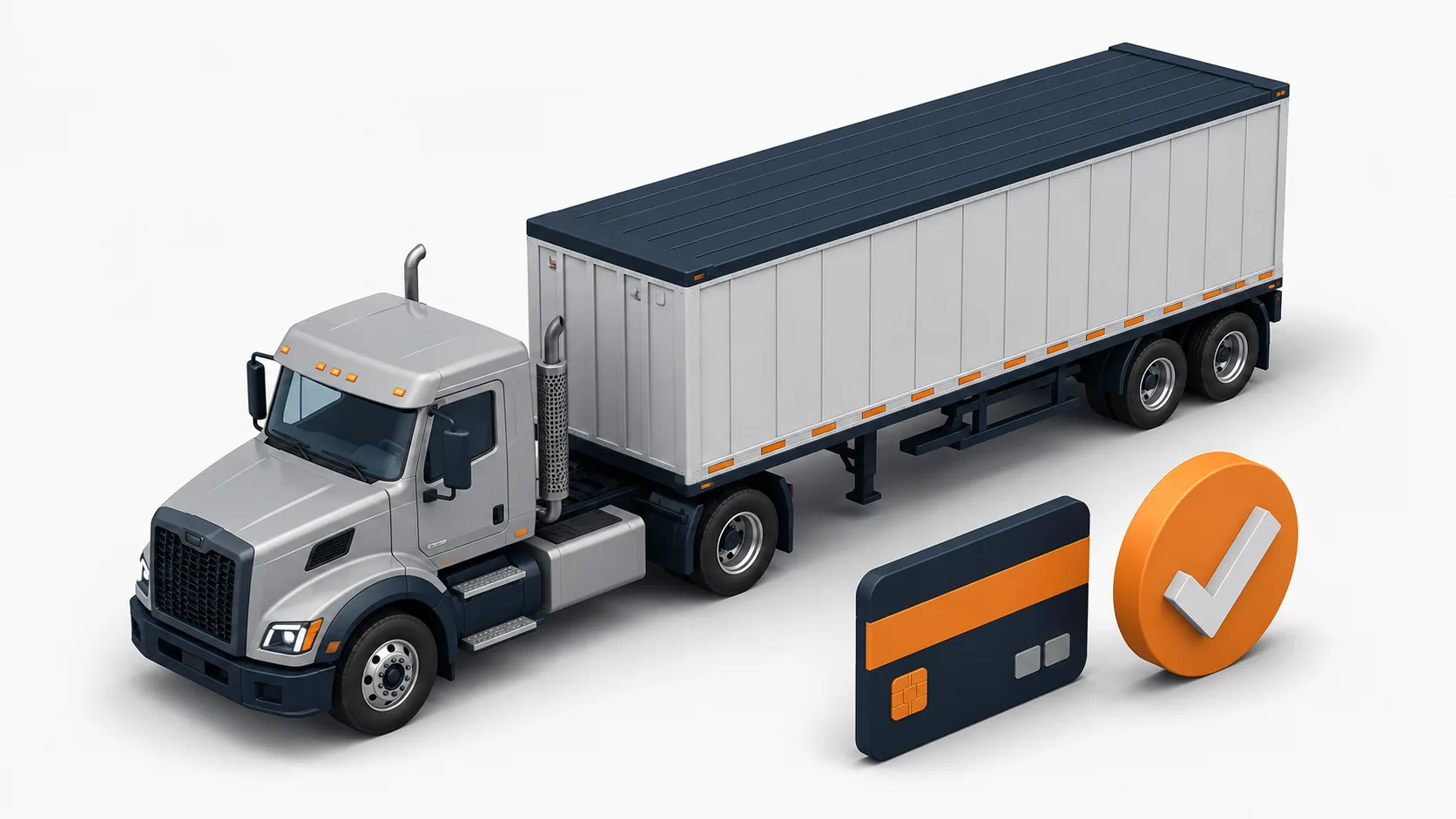
What lenders look for and how payment-first shopping helps buyers close faster.
 Shipping
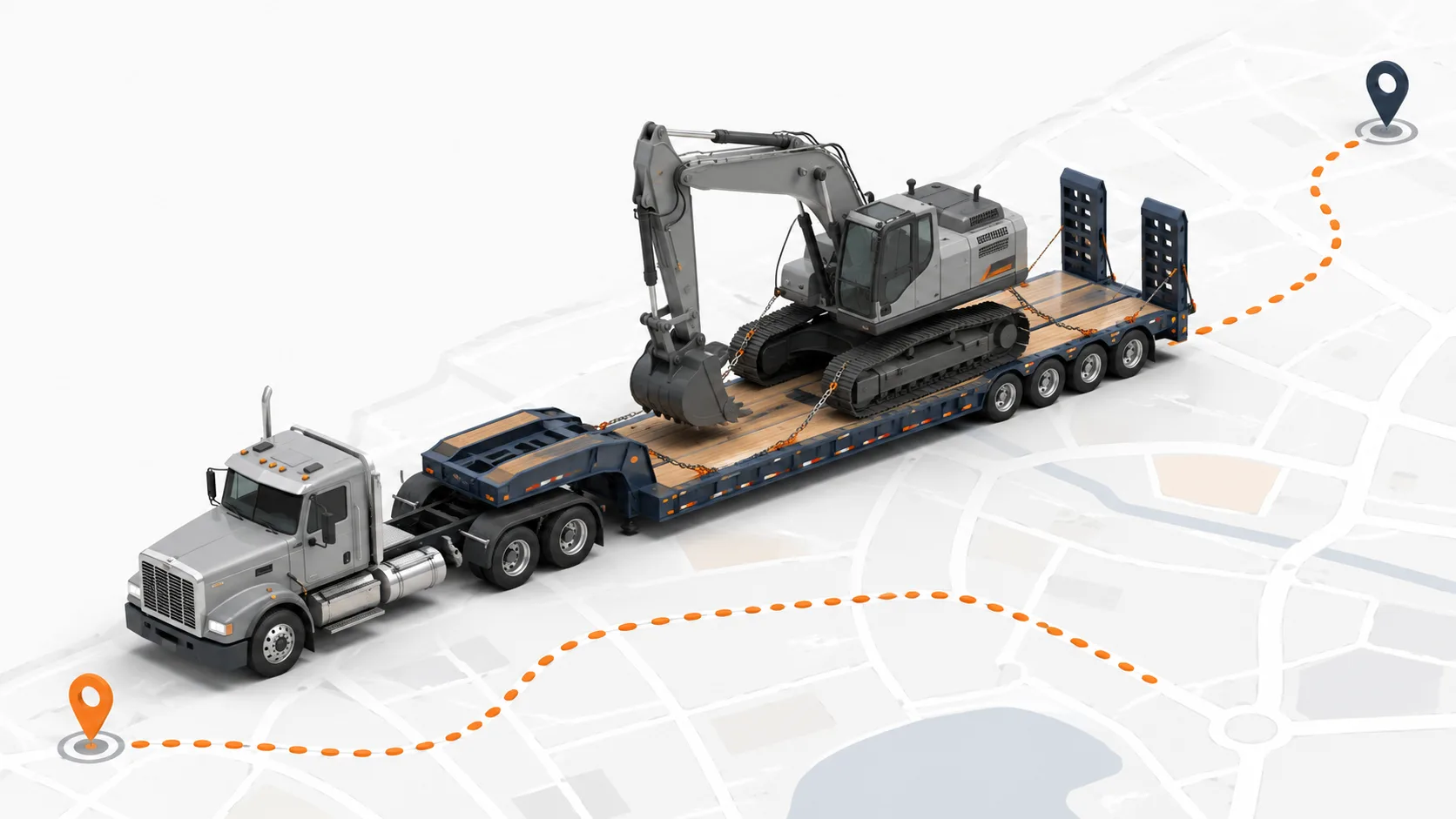
Dimensions, weight, permits, loading, route planning, and quote timing.
Organized by deal intent so you can find what you need and move to the next step.
 Buying9 min read
A practical pre-purchase process for used construction equipment — how to read hours versus real condition, where machines actually fail, how to verify records and sellers, and how to line up financing and transport before you make an offer.
Read guide → Selling12 min read
How to estimate what used heavy equipment is really worth before you list it — using realized auction comparables, the three appraisal values (fair market vs. liquidation), provable condition from oil analysis and undercarriage wear, hours, records, location and emissions tier.
Read guide → Selling10 min read
Why buyer financing helps sellers: most equipment buyers finance (82% of US businesses; construction leads every sector at 85%), how that widens demand, what makes your machine easy to finance, and the Section 179 and bonus-depreciation incentives drawing buyers in.
Read guide →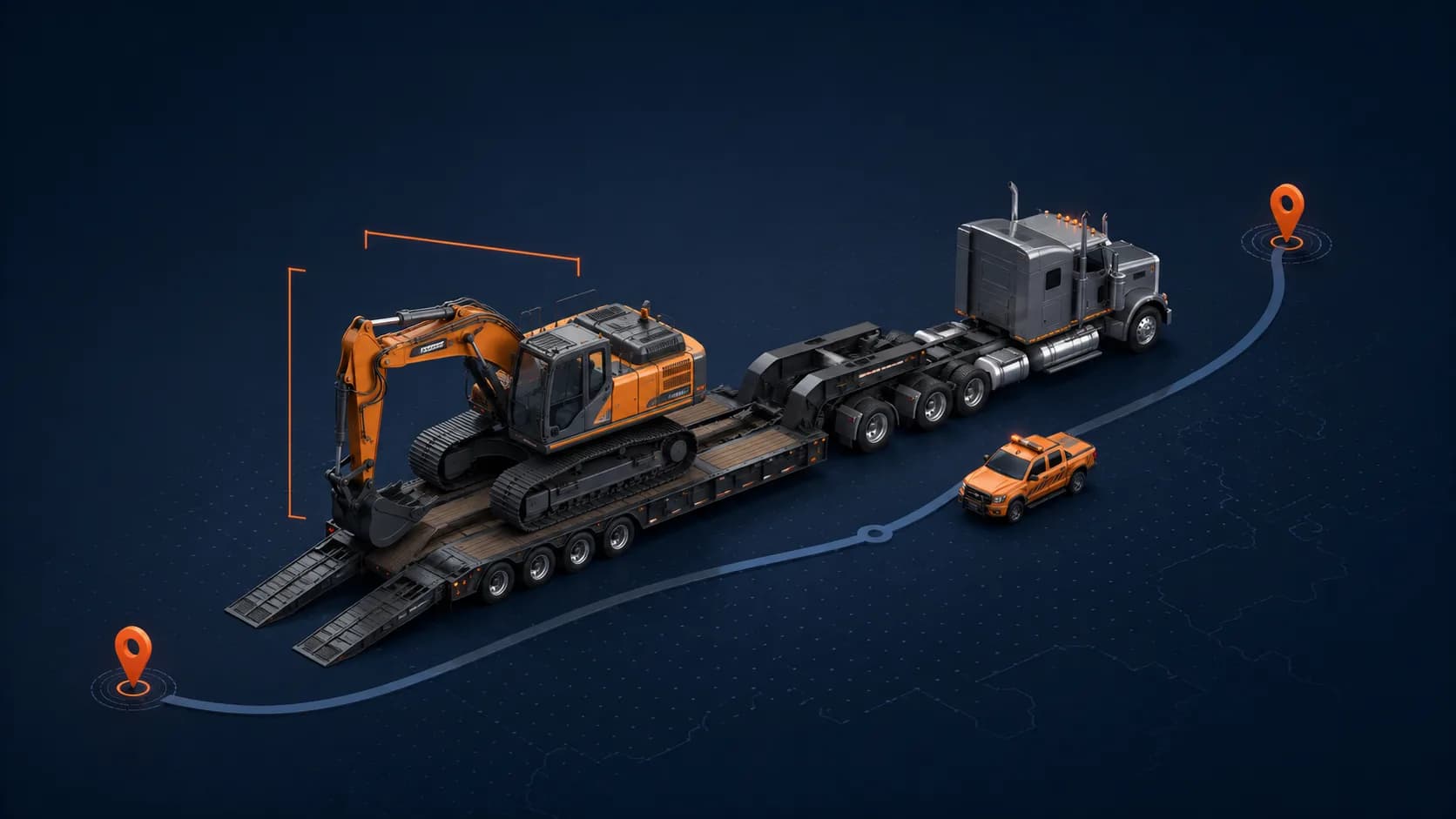 Selling11 min read
A seller’s guide to shipping heavy equipment: what counts as a legal load under federal size and weight limits, when a move needs oversize permits, escorts or a superload classification, how machines are secured under federal rules, and what shapes a buyer’s landed cost.
Read guide →Inspection10 min readWhy there is no single hour cutoff for a used excavator, and what actually determines its remaining life and value — reading hours in context, why oil analysis and condition beat the meter, what to inspect (especially the undercarriage), and how to spot hour-meter tampering.
Read guide →Buying11 min readA pre-purchase checklist for used crawler dozers — why the undercarriage is roughly half the maintenance cost, how wear is measured, the final-drive and drivetrain signs that matter, what oil analysis reveals, and how to verify hours, records and liens before you buy.
Read guide →Financing9 min readHow financing a used heavy truck or trailer works — what lenders look at, how the unit’s age and mileage affect approval, what documents you need, and why shopping payment-first helps owner-operators and small fleets close faster.
Read guide →Shipping10 min readWhat it takes to ship heavy equipment across provinces, states or the border — the cost drivers, legal size and weight limits, when you need oversize permits and escorts, trailer types, cross-border basics, and how to get an accurate quote.
Read guide →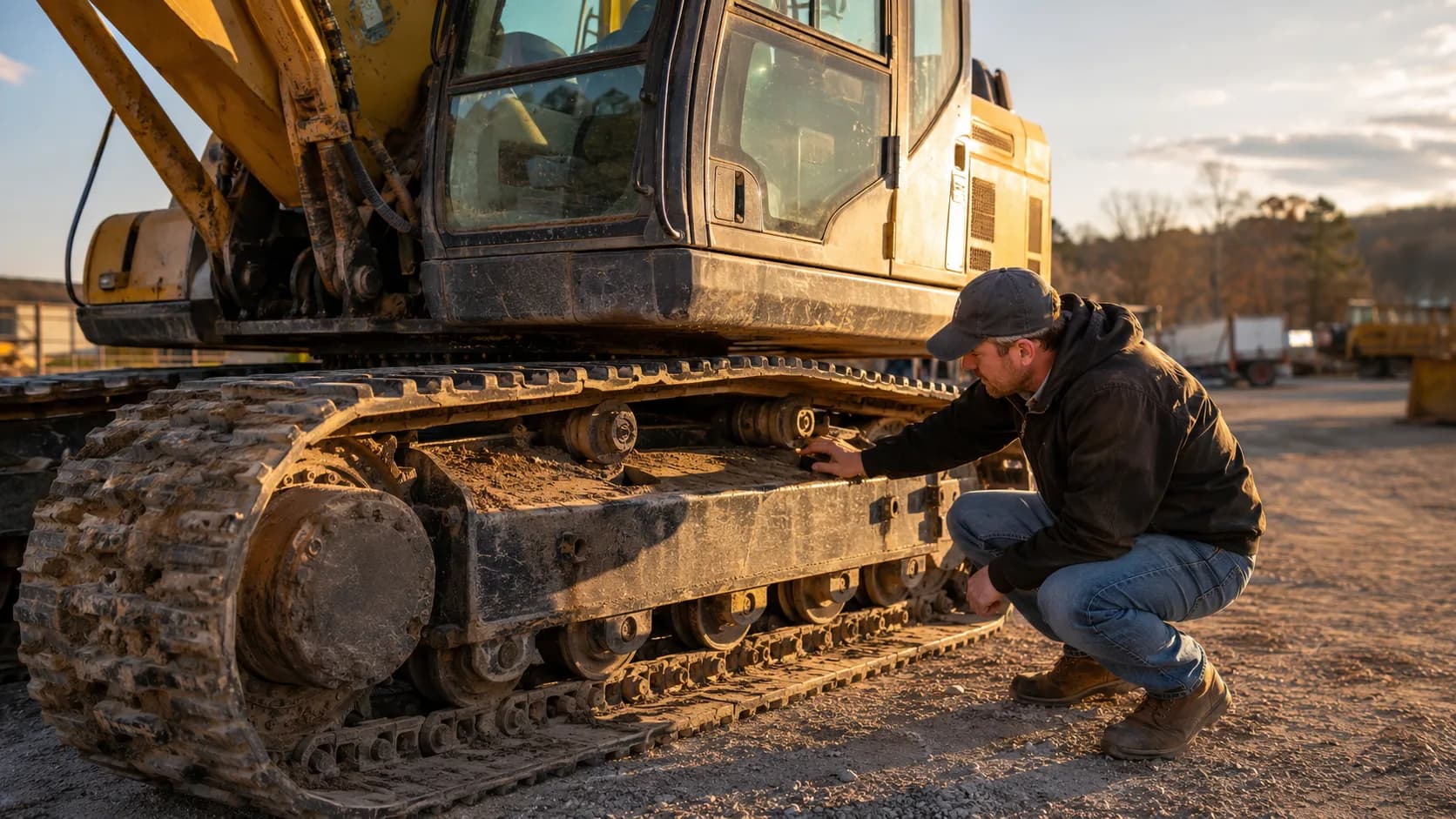 Buying9 min read
A run-it-in-order pre-offer checklist for used heavy equipment: verify the real hours, inspect the undercarriage and wear systems, test hydraulics and fluids, check structure and welds, clear the title and liens, read the records, and price the true landed cost before you commit.
Read guide →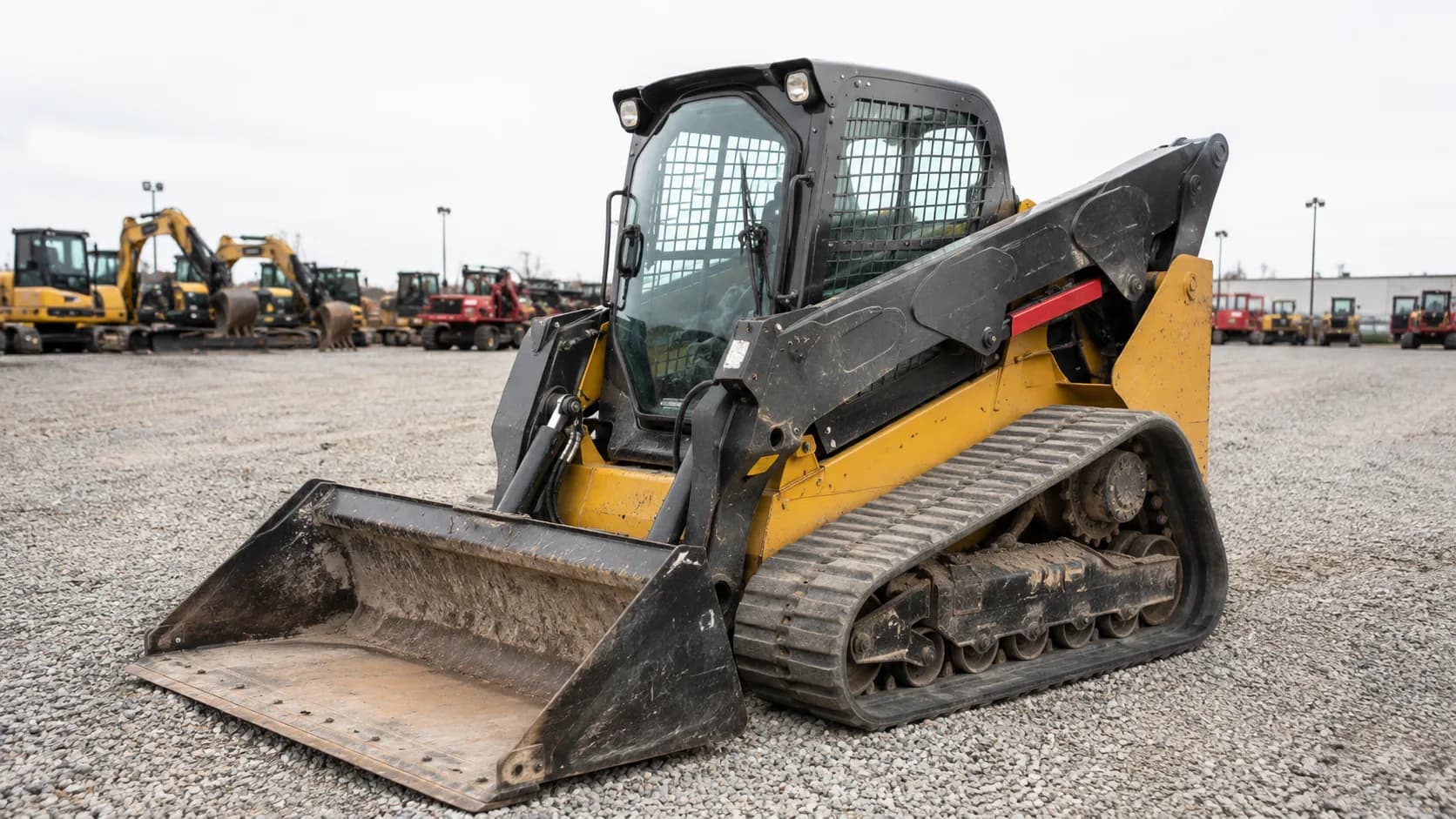 Inspection9 min read
Why there is no fixed hour cutoff for a used skid steer or compact track loader, and what actually decides its remaining life and value — reading hours against age and application, testing the hydraulics and loader arms, the compact-track undercarriage cost trap, attachments, records and fluid analysis, and spotting hour-meter tampering.
Read guide →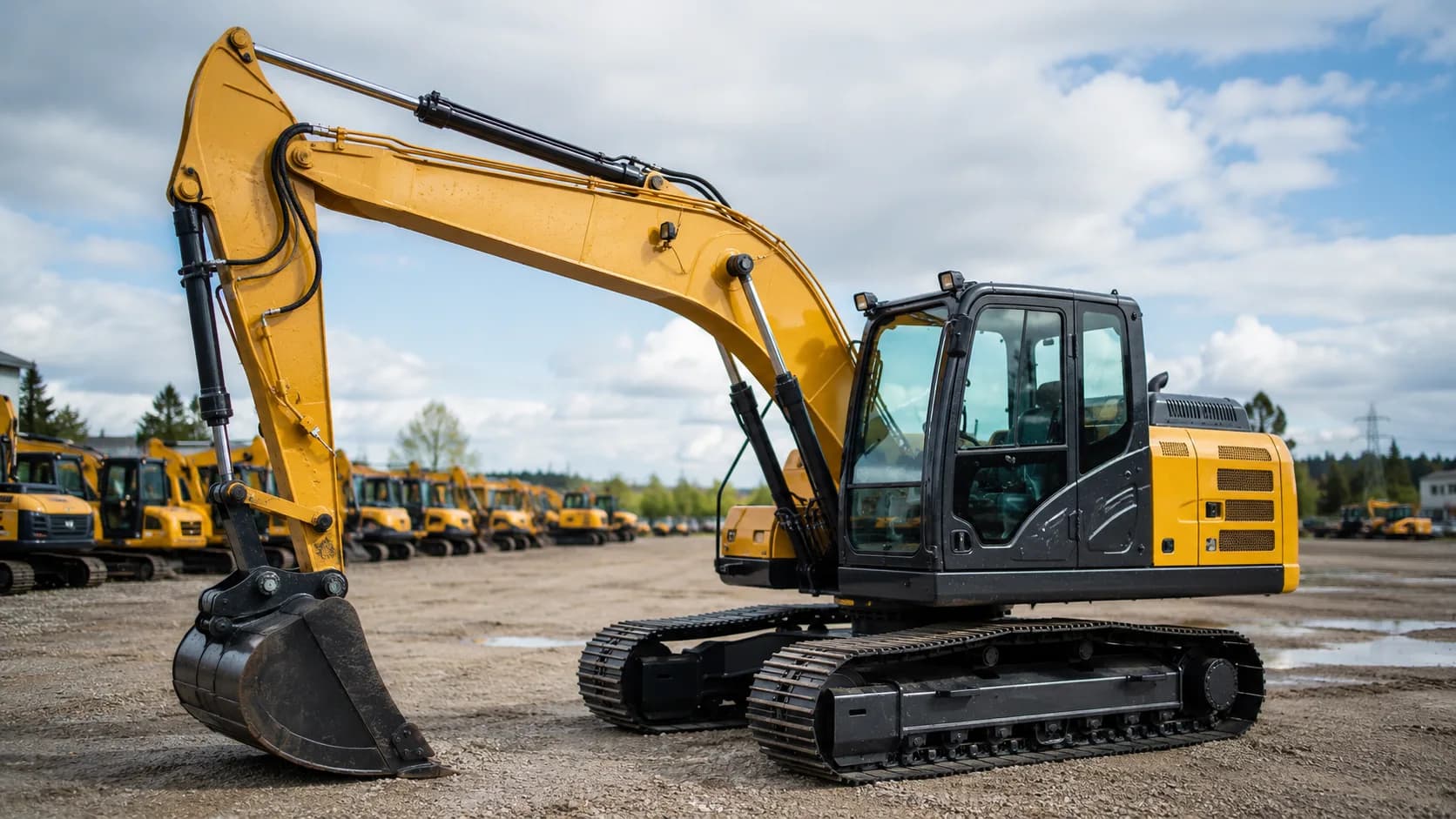 Selling8 min read
A pre-listing checklist for sellers of used heavy equipment: clean and fix the easy things, complete basic service, assemble service and fluid-analysis records, verify the serial/PIN and clear any lien, photograph honestly, write a defensible description and price, and get inspection- and transport-ready so the machine sells faster and for more.
Read guide → Financing9 min read
What lenders actually weigh when financing used heavy equipment — your credit and cash flow, the machine itself as collateral (age, hours, private-party vs dealer), down payment, loan term and the application-only paperwork threshold — plus how to improve your approval odds and what differs between Canada and the U.S.
Read guide →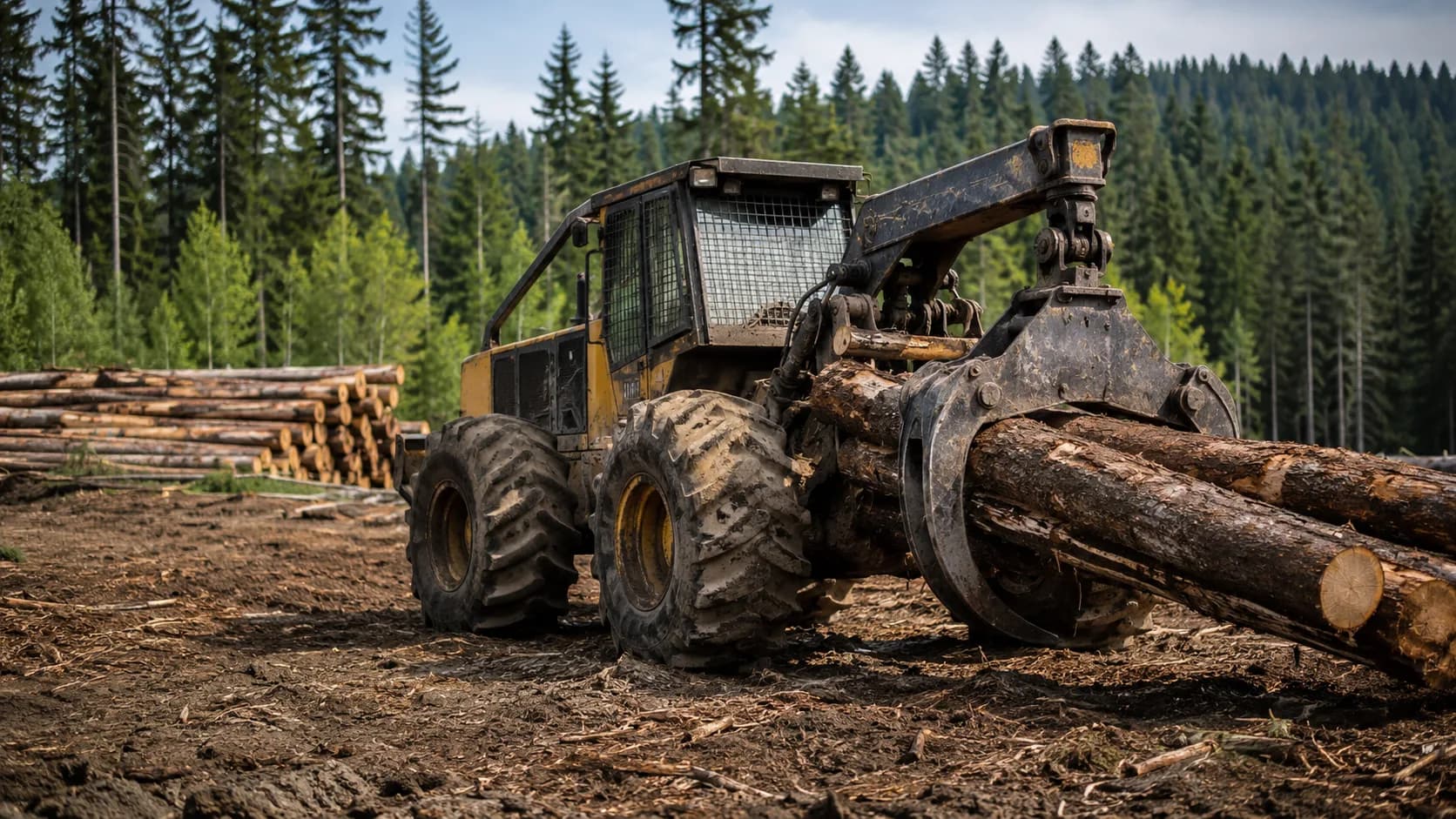 Buying10 min read
What to check on used skidders, feller bunchers, harvesters and processors, knuckleboom and log loaders, and log trucks — the heat, debris, impact and fire damage that forestry duty hides, plus the attachment and undercarriage wear systems that decide whether a machine is a bargain or a breakdown.
Read guide →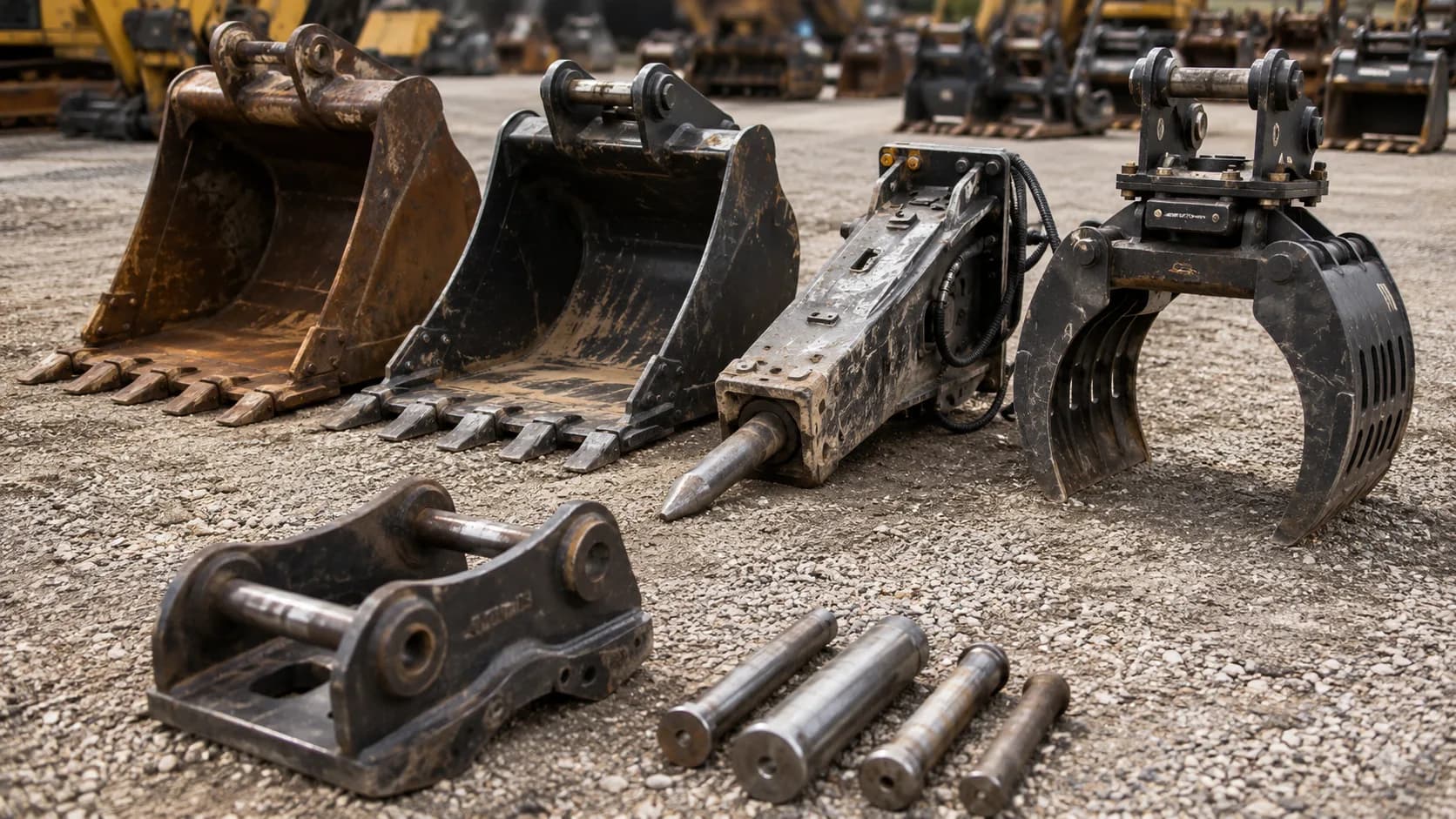 Buying9 min read
How to buy a used attachment without a costly mismatch — fitment first (carrier weight class, hydraulic flow and pressure, and the mounting interface), quick-coupler types and the safety checks that prevent fatal attachment detachment, and the wear points to inspect on buckets, hydraulic breakers, grapples, thumbs, augers and mulchers.
Read guide →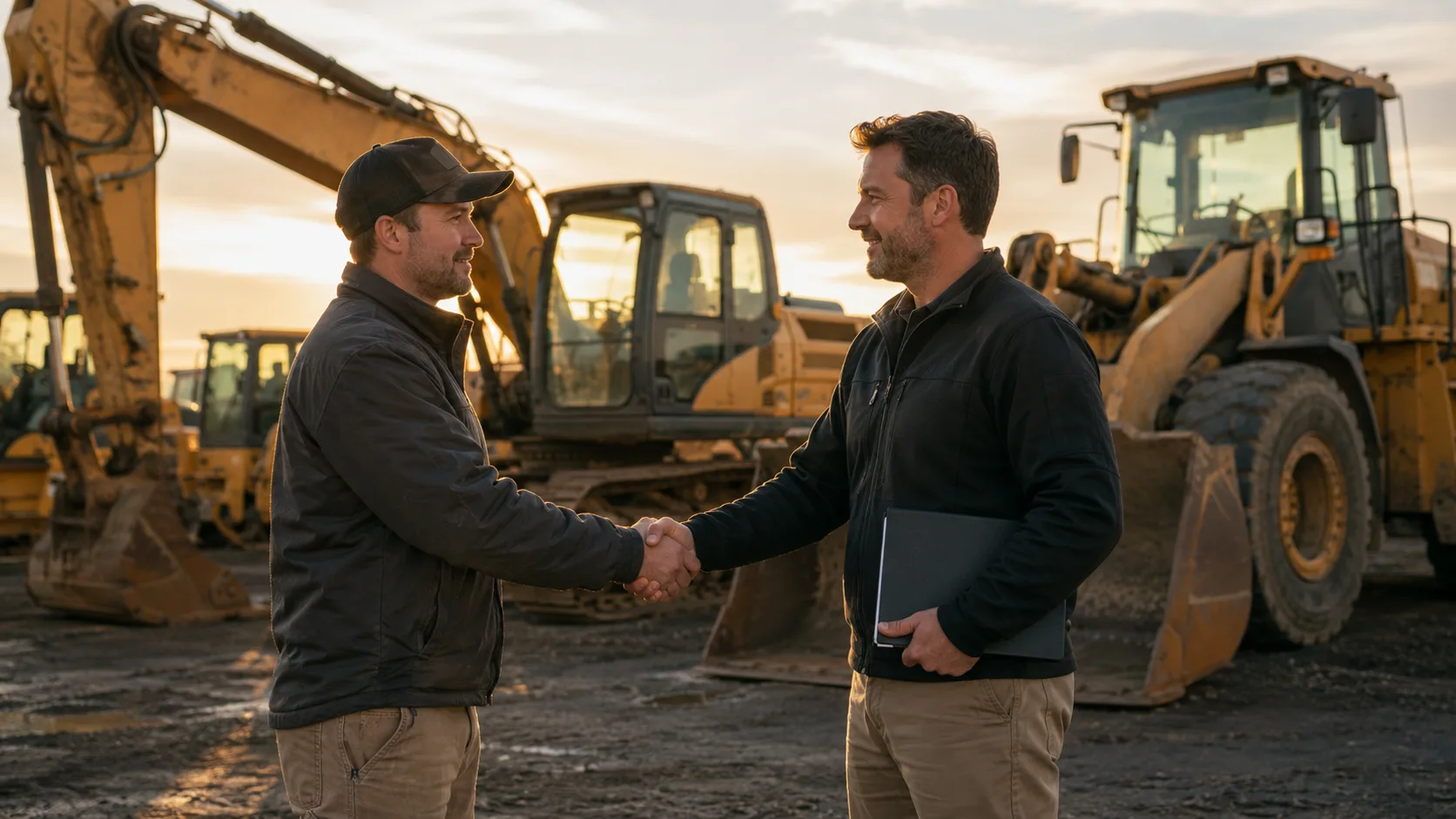 Financing7 min read
How the down payment on used heavy equipment changes what you can actually buy — how money down lowers the amount financed and the monthly payment, the trade-off between down payment and term length, how a down payment de-risks a weaker credit or age/hours file, the used-equipment loan-to-value gap, and how much to put down.
Read guide →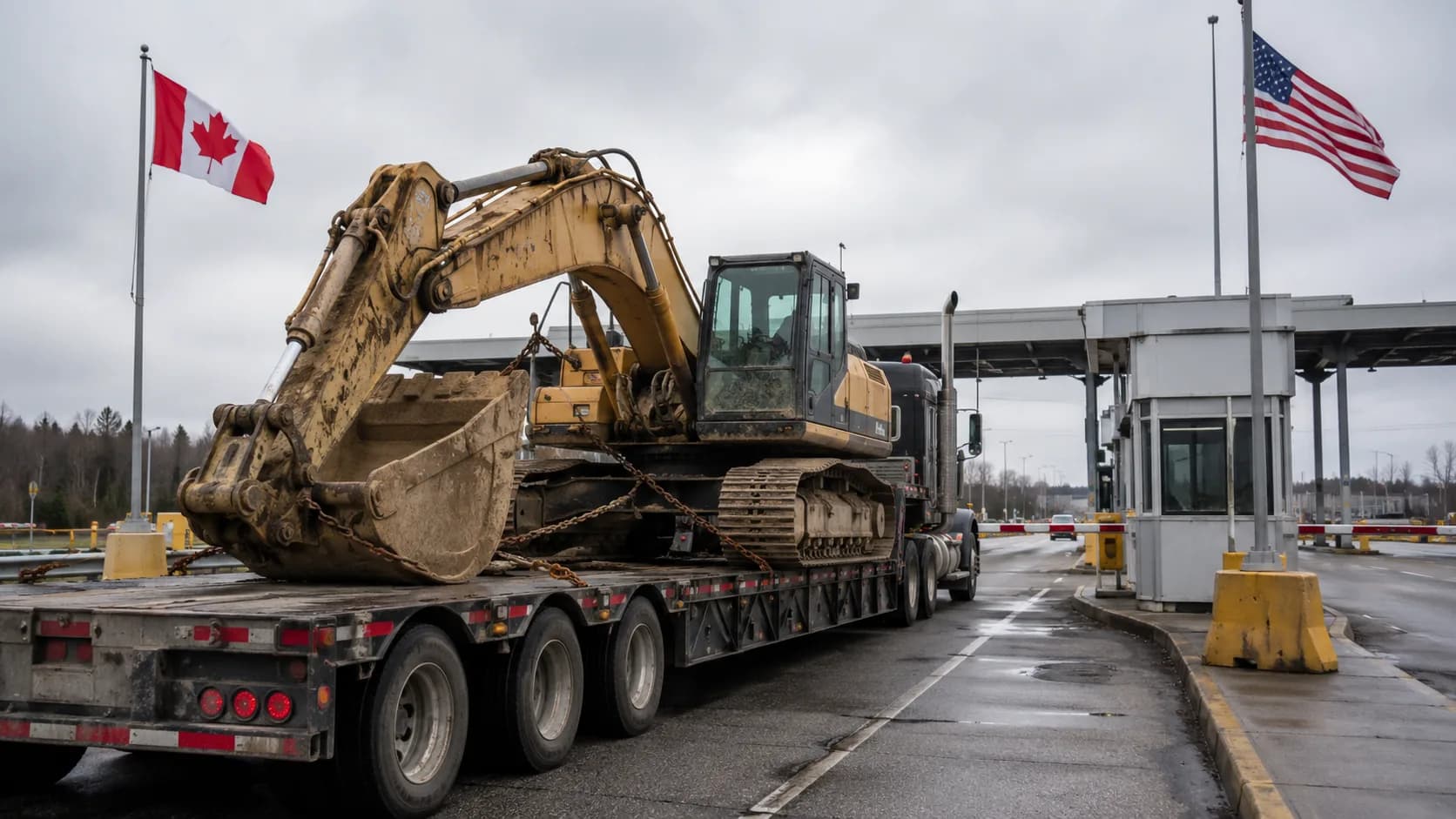 Shipping11 min read
What it really takes to move used heavy equipment across the Canada–U.S. border in either direction — the customs broker and entry, processing fees and 5% GST, whether the U.S. steel tariff and the IEEPA tariff actually hit your machine, how USMCA/CUSMA origin keeps it duty-free, and the emissions and vehicle-compliance rules. With a standing caveat: confirm current rates before you ship.
Read guide →Guides are great, but real deals need real numbers. Send us the basics and we’ll give you a practical valuation direction and a plan to get it in front of serious buyers.